
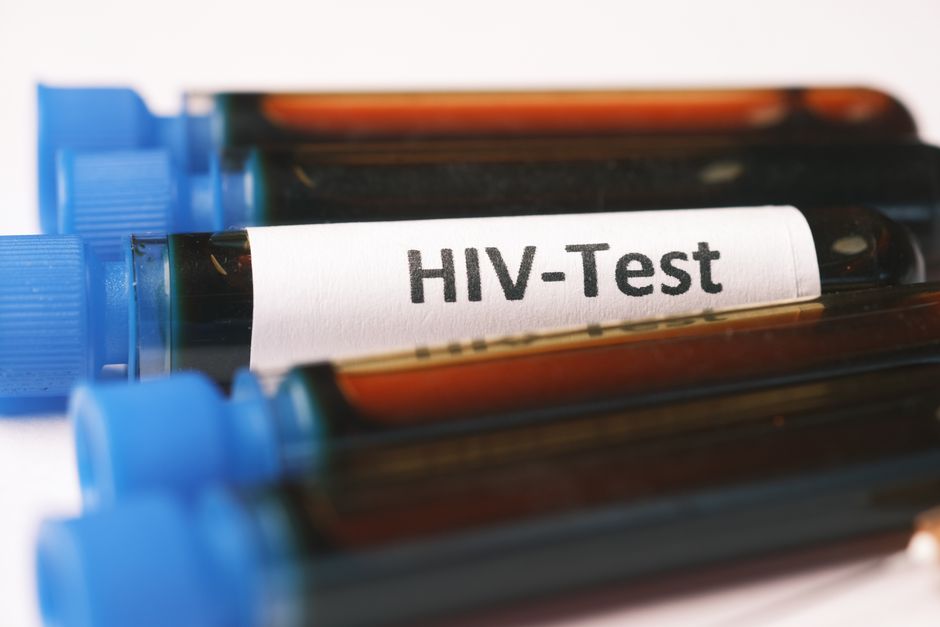
Tropical and infectious diseases represent a significant health burden in Ghana and many other countries in West Africa. These diseases are often prevalent due to the region’s tropical climate, high humidity, and socioeconomic factors. Understanding these diseases is essential for prevention, early diagnosis, and effective treatment.
Key Symptoms
Symptoms of tropical diseases vary significantly, but some common manifestations include:
- Fever: Often a primary indicator of infectious disease.
- Diarrhea: Frequently observed in gastrointestinal infections.
- Rash: May signify conditions like malaria or dengue fever.
- Fatigue: A common complaint that may accompany several infectious diseases.
- Nausea and vomiting: Often found in infections like cholera or typhoid fever.
Diagnostic & Equipment Protocols
Accurate diagnosis is crucial for successfully managing tropical and infectious diseases. The Ministry of Health Ghana recommends the following diagnostic protocols:
- Clinical Evaluation: Initial assessment of symptoms and medical history.
- Lab Tests: Utilization of blood tests, stool tests, and rapid tests available in local health facilities.
- Advanced Imaging: When necessary, using ultrasound or CT scans for complications.
Diagnostic equipment such as the Gonorrhea Test Cassette (Accurate) and Luteinizing Hormone (LH) Rapid Quantitative Test are pivotal in diagnosing some of these infections.
Treatment Guidelines
Effective treatment pathways depend on the specific disease. Standard treatment strategies include:
- Antibiotics: For bacterial infections like typhoid fever and cholera.
- Antimalarial drugs: Essential in treating malaria.
- Fluid Replacement: Critical in preventing dehydration due to diarrhea.
- Palliative care: For those with more severe symptoms.
Prevention in Ghana/West Africa
Preventive measures are vital in reducing the incidence of tropical diseases:
- Public Awareness Campaigns: Initiatives by the Ministry of Health highlight the importance of hygiene and sanitation.
- Vaccinations: Ensure immunization against diseases like yellow fever and hepatitis A.
- Pest Control: Implementing strategies to reduce mosquito populations can significantly lower malaria cases.
- Health Education: Community education on recognizing symptoms and seeking timely medical help reduces severity.
Local healthcare providers and facilities are equipped to deliver these preventive strategies, reinforcing the importance of a proactive approach in health management.
Conclusion
Tropical and infectious diseases require collaborative efforts from health authorities, communities, and individuals to mitigate their impact. The ongoing support from organizations such as the World Health Organization and the CDC enhances the national response to these challenges in Ghana.