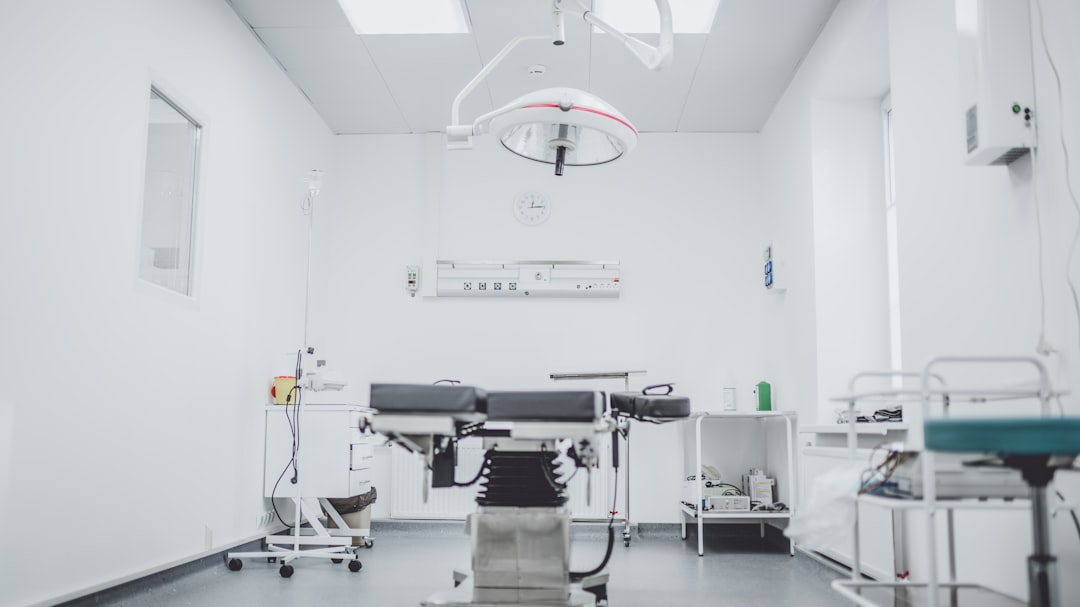
Diagnostic equipment plays a crucial role in modern healthcare, enabling providers to diagnose diseases and conditions accurately. This equipment ranges from simple tools used in physical exams to advanced imaging technologies that visualize internal structures.
Types of Diagnostic Equipment
1. Imaging Equipment
- X-rays: Utilize electromagnetic radiation to create images of bones and certain tissues.
- Ultrasounds: Use sound waves to produce images of organs and tissues, often used in prenatal care.
- CT Scans: Combine multiple X-ray images to provide cross-sectional views of the body.
- MRI: Employs magnetic fields and radio waves to generate detailed images of organs and tissues.
2. Laboratory Equipment
Laboratory equipment is vital for conducting tests and analyzing samples. Key types include:
- Blood analyzers: Assess various components of blood samples.
- Microscopes: Enable examination of small samples in detail.
- Centrifuges: Separate components of mixtures using high-speed rotation.
- Refrigerators: Essential for storing sensitive samples at controlled temperatures.
3. Point-of-Care Testing Devices
Point-of-care testing devices offer immediate results, crucial for timely decision-making. Examples include:
- Glucose meters: Monitor blood sugar levels for diabetes management.
- Rapid tests: Provide quick diagnostics for specific infections and conditions.
How Diagnostic Equipment Supports Patient Care
Diagnosis accuracy is critical for effective treatment. Advanced diagnostic equipment enables healthcare providers to make informed decisions. For instance, early detection of diseases like tuberculosis is essential, particularly given the implications of co-infection with HIV, as discussed in our article on how COVID-19 affects people suffering from tuberculosis and HIV.
Impact of Technology on Diagnostic Equipment
The integration of technology into diagnostic tools has revolutionized the industry. Enhanced data accuracy, remote monitoring capabilities, and telemedicine are just a few examples. Institutions can now utilize the top software for remote work to facilitate data collection and analysis from afar.
Benefits of Advanced Diagnostic Equipment
- Enhanced precision: Reduces the likelihood of misdiagnosis.
- Timely intervention: Speeds up the treatment process for patients.
- Patient empowerment: Offers patients more control through quick results and transparency.
- Resource efficiency: Maximizes the use of medical resources.
Challenges Facing Diagnostic Equipment
While the advancements in diagnostic tools present numerous benefits, they also pose challenges, including:
- Cost: High costs can limit access for some healthcare facilities.
- Training: Ensuring that medical staff are adequately trained to use new technologies is crucial.
- Maintenance: Regular maintenance is required to ensure the accuracy and functionality of equipment.
The Future of Diagnostic Equipment in Healthcare
The future of diagnostic equipment is promising, with innovations such as AI and machine learning being integrated for better predictive analytics. According to experts in the algerie region and beyond, these technologies will enhance diagnostic workflows and improve patient outcomes significantly.
Conclusion
As healthcare continues to evolve, so too does the technology behind diagnostic equipment. With ongoing advancements, there’s no doubt that diagnostics will become even more precise, faster, and more accessible, continuing to improve health outcomes for patients globally.