
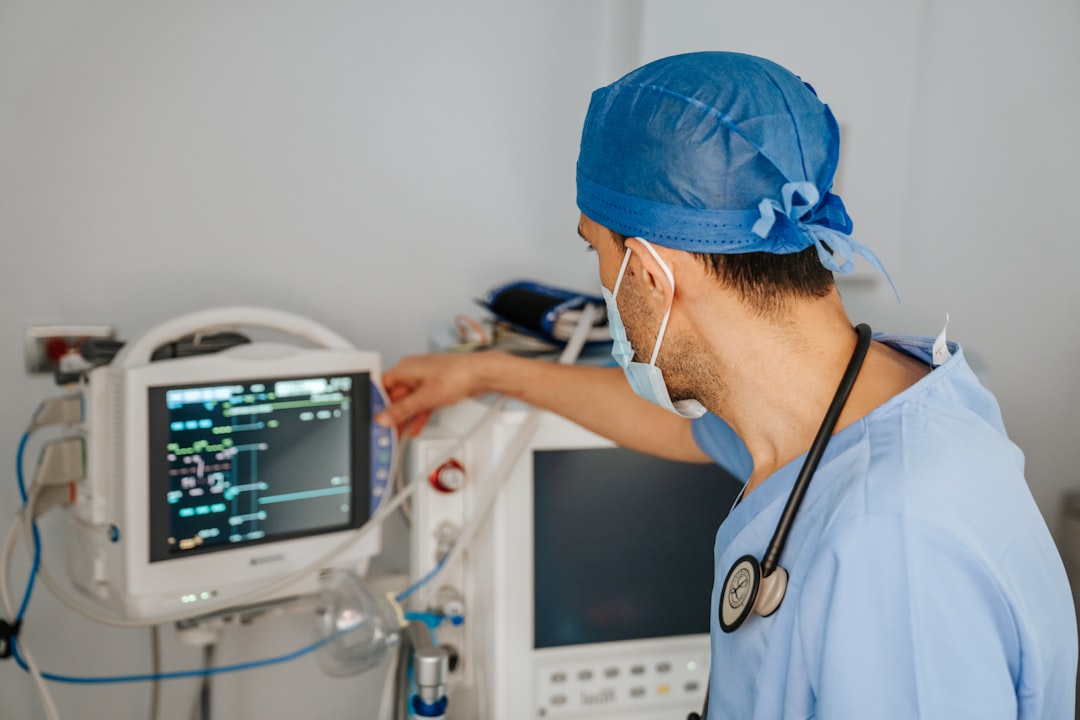
Diagnostic equipment is pivotal in the healthcare sector for accurately detecting medical conditions. It not only assists healthcare providers in diagnosing diseases but also plays a crucial role in monitoring patient health.
Types of Diagnostic Equipment
There are numerous types of diagnostic equipment utilized in healthcare. Each serves a unique purpose and is essential for different medical scenarios. Some of the most common include:
- Imaging Devices: These include MRI machines, CT scanners, and X-rays, which help visualize internal structures.
- Laboratory Equipment: This encompasses tools like blood analyzers and microscopes used for testing samples.
- Cardiology Devices: Instruments such as electrocardiograms (ECGs) and echocardiograms help assess heart health.
- Monitoring Devices: These include vital signs monitors and pulse oximeters that track patient conditions.
Technological Advancements in Diagnostic Equipment
The advancement in technology has significantly enhanced the efficacy and precision of diagnostic tools. Artificial Intelligence (AI) and machine learning are increasingly integrated into diagnostic equipment, aiding in faster and more accurate analyses.
- Enhanced Accuracy: AI algorithms can process vast amounts of data to identify conditions that may be missed by human oversight.
- Efficiency: Automated systems can reduce the time taken for tests, allowing for quicker patient care.
- Cost-Effectiveness: Although the initial investment may be high, the long-term savings due to reduced errors and improved outcomes are significant.
Examples of Cutting-Edge Diagnostic Equipment
Some notable examples of advanced diagnostic equipment include:
- Portable Ultrasound Devices: Convenient for remote healthcare services.
- Wearable ECG Monitors: Allow for continuous heart monitoring without patient inconvenience.
- Next-Gen Blood Test Analyzers: Facilitate rapid and comprehensive blood testing.
Challenges Facing Diagnostic Equipment Usage
Despite the advancements, challenges still exist. Issues such as high costs and the need for trained professionals to operate complex machines can hinder accessibility. Furthermore, in certain regions socioeconomic factors play a massive role in the availability of these essential tools.
Improving Access to Diagnostic Equipment
To bridge the gap in diagnostic services, healthcare facilities need to focus on:
- Investing in newer technologies that are more cost-effective and user-friendly.
- Providing training for healthcare workers to maximize the benefits of existing equipment.
Conclusion: The Importance of Diagnostic Equipment in Patient Care
In conclusion, diagnostic equipment is a cornerstone of effective healthcare delivery. Continuous advancements promise to make these tools even more integral to patient care, with improved accessibility and efficiency. For a comprehensive overview, check out our Essential Guide to Diagnostic Equipment in Healthcare.