
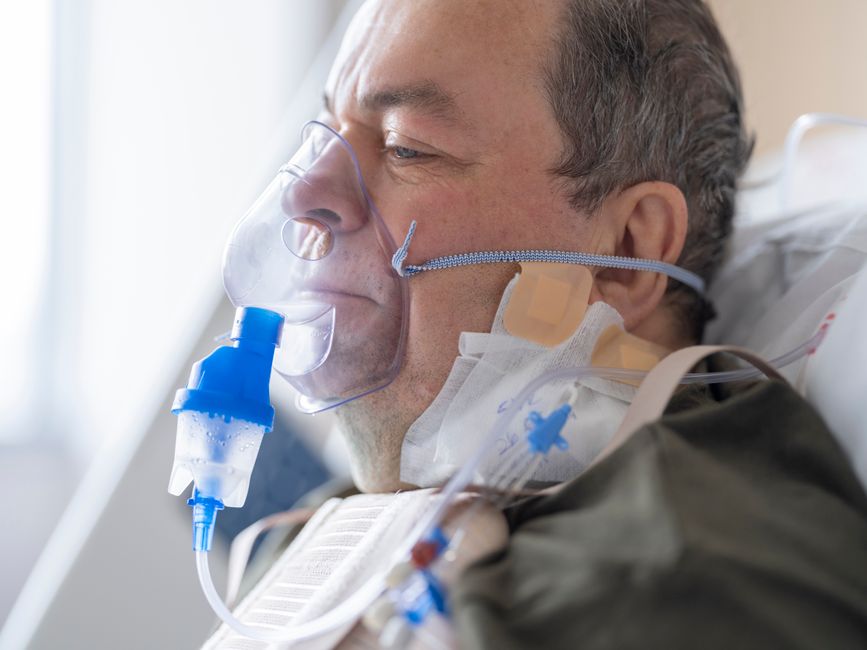
Oxygen therapy is a medical treatment that delivers oxygen to individuals who have low levels of it in their blood. This treatment can significantly enhance the quality of life for patients suffering from various respiratory conditions.
Benefits of Oxygen Therapy
The benefits of oxygen therapy extend far beyond just improving air supply. Here are some key advantages:
- Improved Respiratory Function: Oxygen therapy helps patients breathe more easily.
- Enhanced Quality of Life: Patients often report increased energy levels.
- Supports Recovery: It aids in the healing process after surgeries.
- Reduces Symptoms of Hypoxia: Decreases negative effects of oxygen deficiency in tissues.
Common Conditions Treated with Oxygen Therapy
Various respiratory conditions may require oxygen therapy for effective management. These include:
- COPD (Chronic Obstructive Pulmonary Disease)
- Asthma exacerbations
- COVID-19 related breathing difficulties
- Pneumonia
- Interstitial Lung Disease
How is Oxygen Therapy Administered?
Oxygen therapy can be administered in several ways depending on the severity of the patient’s condition:
1. Nasal Cannula
This is a lightweight tube that splits into two prongs, inserted into the nostrils.
2. Oxygen Mask
A face mask provides higher concentrations of oxygen and is typically used in more serious cases.
3. Positive Pressure Ventilation
This method uses a machine to push air into the lungs, aiding those who might be unable to breathe on their own.
Risks and Considerations of Oxygen Therapy
While oxygen therapy is generally safe, there are potential risks and considerations:
- Fire Hazard: Oxygen supports combustion; thus, precautions are necessary around flammable materials.
- Oxygen Toxicity: Prolonged exposure to high levels may result in lung damage.
- Maintaining Equipment: Regular checks of equipment are essential to avoid malfunctions.
Long-term Use and Monitoring
Patients requiring long-term oxygen therapy need ongoing monitoring. Regular follow-ups can ensure:
- Oxygen Saturation Levels: Maintaining appropriate saturation levels is vital.
- Lung Function Assessment: Regular lung function tests can help track progress.
- Adjustment of Therapy: Dosage and delivery methods may need adjustment based on changing health conditions.
Psychosocial Impacts of Oxygen Therapy
Living with an oxygen therapy regime can have psychosocial implications. Patients may experience:
- Anxiety: Fear of emergencies can lead to anxiety disorders.
- Social Isolation: Some patients may feel uncomfortable participating in social activities.
Support groups and therapy can be beneficial in managing these feelings. Learning about other health issues, such as HPV in Africa, can provide a broader context for understanding health challenges.
Conclusion
Oxygen therapy remains a cornerstone in the management of numerous debilitating respiratory conditions. With its myriad advantages ranging from enhancing **quality of life** to improving recovery outcomes, it is essential for patients to understand its use, benefits, and risks. Proper education, monitoring, and support systems can vastly improve patient experiences.