Hypertension, commonly known as high blood pressure, is a chronic medical condition characterized by elevated blood pressure in the arteries. In 2026, hypertension remains a significant public health issue globally and particularly in West Africa, where lifestyle changes and increased obesity rates contribute to rising prevalence. Understanding hypertension management is vital for reducing cardiovascular risks and ensuring better health outcomes.
Key Symptoms
Blood pressure readings are classified into stages:
- Normal: < 120/80 mm Hg
- Elevated: 120-129/ < 80 mm Hg
- Hypertension Stage 1: 130-139/80-89 mm Hg
- Hypertension Stage 2: ≥ 140/90 mm Hg
- Hypertensive Crisis: > 180/120 mm Hg
Many individuals with hypertension may experience no symptoms (asymptomatic), but potential symptoms can include:
- Headaches
- Dizziness
- Nosebleeds
- Blurred vision
- Shortness of breath
Diagnostic & Equipment Protocols
Accurate diagnosis is essential for effective hypertension management. The following protocols are recommended in clinical settings:
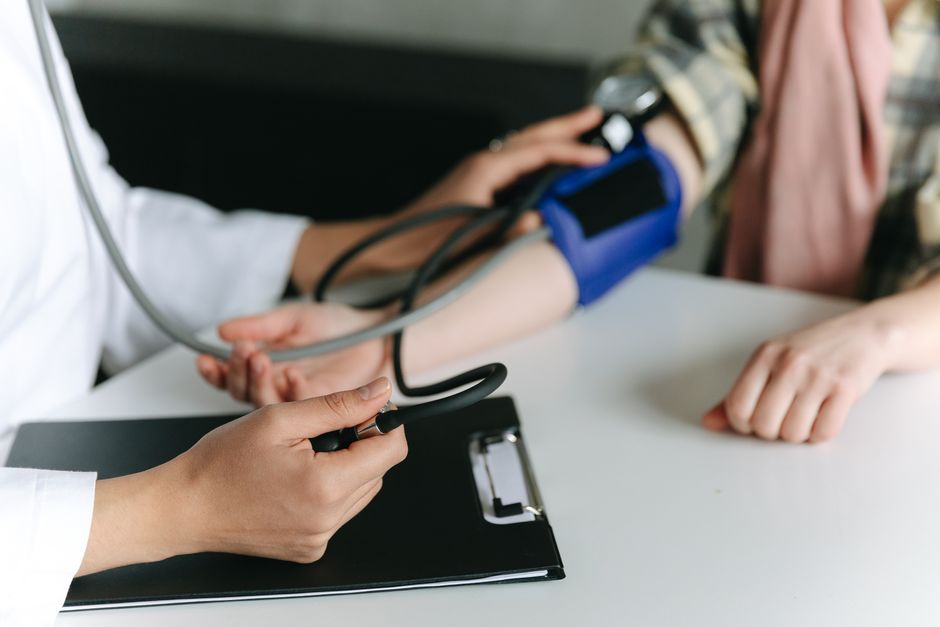
- Blood Pressure Measurement: Use validated automated devices for accurate readings. Conduct measurements in a quiet setting, with the patient seated, after 5 minutes of rest.
- Ambulatory Blood Pressure Monitoring: Consider this tool for accurate 24-hour blood pressure profiling in challenging cases.
- Laboratory Tests: Conduct basic metabolic panels, lipid profiles, and assess kidney function to identify any secondary causes or complications of hypertension.
- Initial Screening Tools: Utilize Sterile Swab Sticks for ensuring hygienic sample collection when needed.
Treatment Guidelines
The goal of hypertension treatment is to lower blood pressure to safe levels and minimize the risk of complications. Effective management may include:
- Lifestyle Modifications: Encourage dietary changes such as the DASH diet, regular physical activity, weight loss, and limited alcohol intake.
- Medications: First-line antihypertensive classes include:
- Thiazide diuretics
- ACE inhibitors
- Calcium channel blockers
- ARBs (Angiotensin II Receptor Blockers)
- Regular Follow-ups: Schedule follow-up appointments to monitor blood pressure response and adjust medication as needed.
In Ghana, healthcare professionals and the Hypertension Management Department clearly play a pivotal role in educating patients about medication adherence and controlling blood pressure levels through structured follow-up care.
Prevention in Ghana/West Africa
Given the rising incidence of hypertension in urban areas of Ghana, preventive measures are critical. Community programs should focus on:
- Promoting healthy eating habits, emphasizing locally available fruits and vegetables.
- Encouraging community sports and physical activities among all age groups.
- Raising awareness of the risks of hypertension and educating on monitoring blood pressure at home.
- Utilizing health services provided by the Ministry of Health Ghana and support from the FDA Ghana to increase awareness and accessibility to equipment such as the Chison C3-E Convex Probe for diagnostic testing.
Global Reference and Conclusion
According to the World Health Organization (WHO), hypertension is a leading preventable cause of premature deaths globally. The management strategies in Ghana reflect a commitment to aligning with evidence-based practices while accommodating local health challenges.
By adhering to current guidelines and fostering a culture of health advocacy, Ghana can significantly mitigate the impact of hypertension, ultimately contributing to a healthier population.